Rodent and Wildlife Removal in Elk Grove
Request an estimate from a local provider
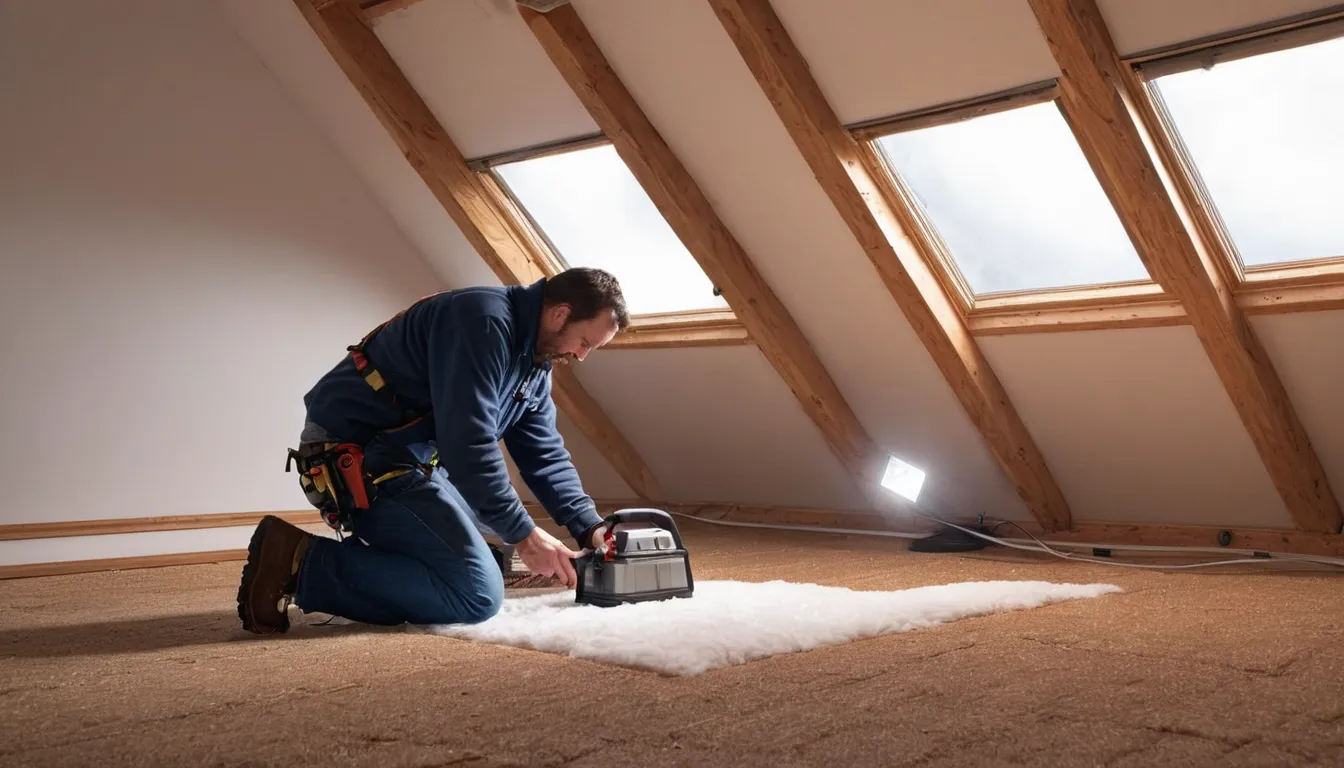
Rodents and wildlife can move into an attic, a wall, or a crawl space in a single season. Mice and rats chew wires and foul insulation. Squirrels, raccoons, and bats add noise, odor, and damage. This page gives you a short checklist so you can describe the problem clearly.
Imaginerunning Pest Control is a referral service. It does not trap, seal, or clean anything. You share the animal, the location, and your CA address area. Imaginerunning Pest Control then connects you with an independent provider in our network who does the work. You compare a written quote and decide. Acting early protects insulation, wiring, and the resale value of the house.
Noises in the Attic or Walls? Start Here
Scratching, thumping, or a musty smell means something has moved in. Treat this page as a checklist. Name the animal, find how it gets in, then get matched with an independent provider who does the removal. If you searched for an exterminator near me, this is the right starting point for rodents and wildlife.
Step 1: Name It, Locate It
First, note the sound and the time. Light, fast scratching at night often points to mice or rats. Heavy thumps at dawn or dusk may be squirrels or raccoons. Next, note the spot: attic, wall, crawl space, or garage. Providers use these notes to plan the visit.
Why Timing Matters
Rodents breed fast. One pair can turn into a nest in weeks. Chewed wires are a fire risk. Droppings and urine soak into insulation. Wildlife with young adds a deadline, because removing a parent can strand the babies. Early action keeps the job smaller and the repair bill lower.
Signs to Check First
Walk the house and look for these:
- Droppings along walls, in the attic, or under sinks
- Greasy rub marks near gaps and pipes
- Chewed wires, boxes, or insulation
- Gnaw marks on wood or soft vent screens
- Stains on ceilings or a sharp odor
- A pet staring at one wall
Common Animals Providers Handle
Mice, roof rats, Norway rats, squirrels, raccoons, opossums, skunks, and bats show up in many homes. Birds nesting in vents and gophers in the yard also come up. Each animal needs a different method, so naming it matters. Bites in bed point to bed bug treatment, which is a different job.
Fall and Winter: Animals Move Indoors
When winter rain events arrive, animals look for dry, warm space. Attics, wall voids, and garages fill up. Many 1950s to 1980s tract homes have small gaps at rooflines and vents. Schedule an inspection before the first big storm, not after.
Spring and Summer: Nesting Season
Warm months bring young animals. Nests form in attics and crawl spaces. Long dry seasons push animals toward water, such as irrigation lines and pet bowls. Smoke seasons can also shift wildlife into neighborhoods. Providers often plan work around nesting, so share the date you first heard noise.
Protect the House and Its Value
Rodents and wildlife damage insulation, wiring, ducts, and framing. A buyer's inspector will find it. Sealing entry points and cleaning up now helps protect the house and keeps a future sale simpler. Keep the written report and photos for your records.
How Removal Works, Step by Step
First, the provider inspects the roofline, vents, stucco, and foundation. Next, they set traps, one-way doors, or other tools suited to the animal. Then they seal the entry points once the animals are out. Last, they schedule a follow-up check to confirm the activity has stopped.
Humane Handling and Local Rules
Rules differ by state and city. Some animals are protected, and relocation may be limited. Bats often cannot be removed during pup season. Ask each provider about permits and humane methods. For rodents, ask how traps and bait stations are placed around kids and pets.
What to Do While You Wait
- Keep pets and children out of the attic and crawl space
- Store food and pet feed in sealed containers
- Do not touch droppings with bare hands
- Take photos of damage and entry points
- Trim branches that touch the roof
What Not to Do
Do not block a hole if animals may still be inside. Do not put poison inside walls. Dead animals cause odors and can harm pets. Skip foggers and mothballs too. They rarely solve the cause and can leave residue in living space.
Choosing a Removal Provider
Ask each provider these questions. Are you licensed for wildlife work in this state? Do you carry insurance? Which methods will you use? Does the price include sealing and cleanup? What does the written warranty cover? Clear answers show a provider who plans for the long term.
Comparing Written Quotes
Get each quote in writing. It should list the animal, the entry points, the number of visits, repairs, cleanup, and warranty terms. Compare scope, not only price. A short quote may leave out the sealing that keeps animals from returning.
Keeping Animals Out
Seal gaps larger than a quarter inch. Screen attic and foundation vents. Cap chimneys. Trim trees back from the roof. Check stucco cracks and where pipes enter the slab or wall. Keep trash lidded. Do this inspection once a year, before the rains.
Cleanup and Repairs
After removal, insulation may need to be replaced and areas sanitized. Some policies may cover sudden damage, so check your policy. Providers can often help document damage for a claim. Protect the house by finishing this step, not skipping it.
What's Included
Inspection and Entry Points
A provider checks the roof, vents, stucco, and foundation to find where animals get in.
Removal Methods
Traps, one-way doors, or exclusion tools chosen for the specific animal.
Sealing Gaps
Entry points are closed so animals cannot return.
Cleanup Options
Droppings removal, sanitizing, and insulation replacement can often be added to the job.
Typical Rodent and Wildlife Removal Costs
These are typical U.S. ranges. Your price depends on the animal, how many there are, how hard the access is, and how much damage exists. Get a written quote before any work starts.
| Item | Typical range | Notes |
|---|---|---|
| Inspection visit | $100 – $300 | Some providers charge a visit fee |
| Mouse removal | $200 – $600 | Often needs more than one visit |
| Rat removal | $300 – $1,000 | Roof rats may need attic work |
| Squirrel or raccoon removal | $350 – $1,200 | Depends on nests and young |
| Entry point sealing | $300 – $2,500 | Larger homes cost more |
| Attic cleanup and insulation | $1,000 – $5,000 | Depends on square footage and damage |
How It Works
Name the Animal
Describe the sounds, signs, and time of day so the right type of provider can be matched.
Locate the Problem
Note whether it is the attic, walls, crawl space, or garage.
Get Matched
Share your details and a provider in our network will contact you.
Compare a Written Quote
Review scope, sealing, cleanup, and warranty terms, then choose the provider.
Why Call Imaginerunning Pest Control
Acting Early Saves Money
Small infestations cost less to remove than ones that have spread through the attic.
Wiring Safety
Gnawed wires can create fire risks, so early removal protects the house.
Resale Value
Documented removal and sealing help avoid surprises during a buyer's inspection.
Healthier Air
Removing droppings and nesting material helps keep dust and odor from reaching living areas.
Other Services
Need rodent and wildlife removal in Elk Grove?
Send the pest, the room, and the street area. Imaginerunning Pest Control will pass your request to a local provider in our network.
No obligationRodent and Wildlife Removal FAQ
- How do I know if I have mice or rats in my attic?
- Look for droppings, greasy rub marks, chewed wiring, and nighttime scratching. Mouse droppings are small, like rice grains. Rat droppings are larger. A provider can confirm the animal and find the entry points during an inspection.
- Is wildlife removal always humane?
- Methods vary by animal and by local rules. Many providers use exclusion and live-capture tools for wildlife. Rodents are often controlled with traps or bait stations. Ask each provider how they handle the animal and what permits apply.
- Should I seal the hole myself?
- Not until you are sure the animal has left. Sealing a hole with animals inside can trap them and cause damage or odor. A provider can confirm the space is clear, then seal it properly.
Get in touch
Send the pest, the room, and the street area. Imaginerunning Pest Control will pass your request to a local provider in our network.
No obligation